

ISO 9001:2015 QMS Lead Auditor Training
Surus Technologies – Quality | Compliance | Audit Excellence
Online Instructor Led Certification Program
Course Overview
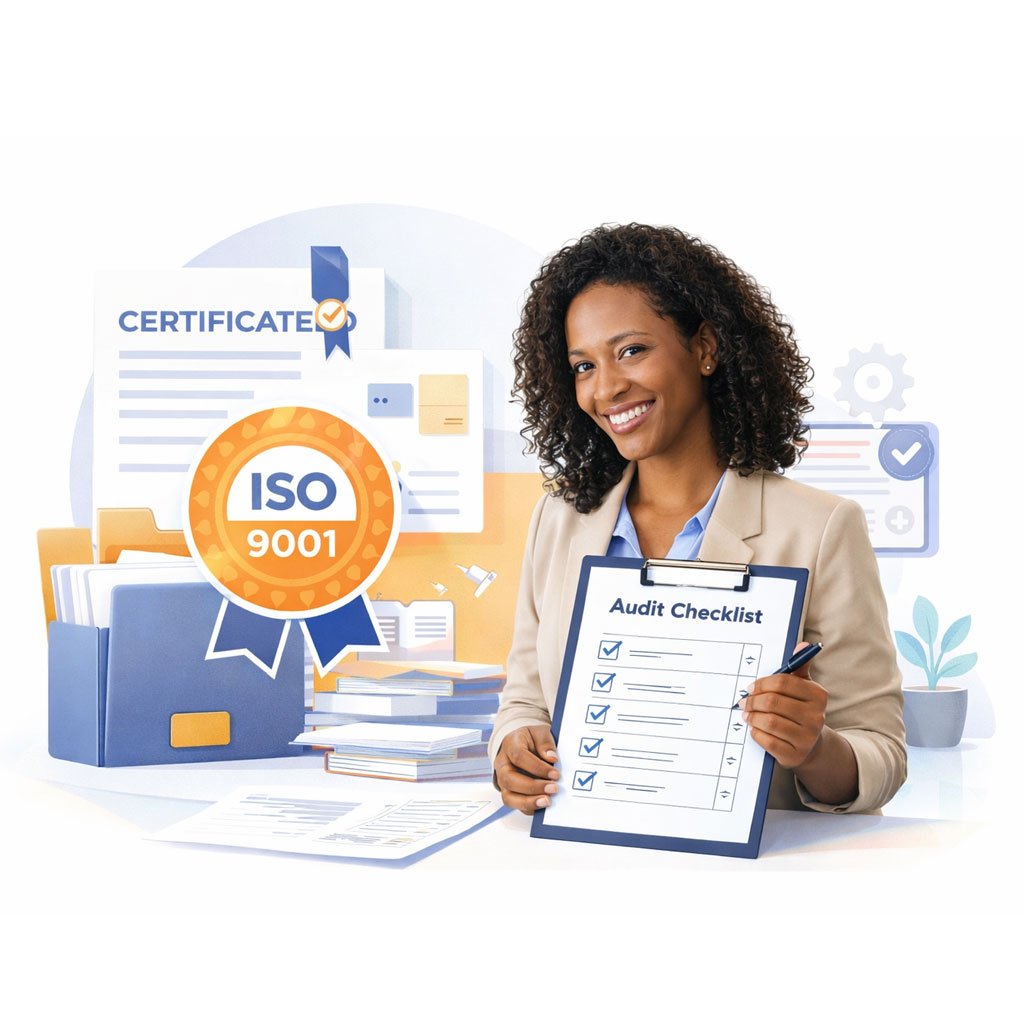
The ISO 9001:2015 QMS Lead Auditor Training is a comprehensive, practice‑oriented program designed to develop competent auditors capable of planning, conducting, reporting, and following up on Quality Management System (QMS) audits in accordance with ISO 19011:2018 and ISO 9001:2015.
This online course provides the full skillset required to perform internal audits, supplier audits, and external audits, and prepares participants for Lead Auditor responsibilities in any industry. Through real‑world case studies, audit simulations, and structured exercises, participants gain the confidence and competence needed to lead audit teams and evaluate organizational compliance.
The program is ideal for professionals seeking to strengthen their quality management expertise, support certification efforts, or advance into senior quality and compliance roles.
Key Features
Fully aligned with ISO 9001:2015 and ISO 19011:2018
Step by step audit planning and execution
Delivered 100% online through live instructor led sessions
Nonconformity writing and root cause analysis
Practical workshops, audit scenarios, and role play exercises
Audit reporting and communication techniques
Course Modules
Module 1: Introduction to Quality Management Systems
Module 2: ISO 9001:2015 Requirements
Module 3: Fundamentals of Auditing
Module 4: Audit Planning and Preparation
Module 5: Conducting the Audit
Module 6: Audit Reporting
Module 7: Closing the Audit
Module 8: Lead Auditor Competency Development
Module 1: Introduction to Quality Management Systems
This module introduces the fundamental concepts of Quality Management Systems (QMS) and explains their importance in helping organizations achieve consistent performance, regulatory compliance, and customer satisfaction. Participants will gain a clear understanding of the purpose, benefits, and key principles of QMS, as well as how quality management supports process control, risk-based thinking, and continual improvement in line with ISO 9001:2015.
• Purpose and benefits of a QMS
• ISO 9001:2015 structure and principles
• Process approach and risk based thinking
Module 2: ISO 9001:2015 Requirements
This module provides a detailed understanding of the ISO 9001:2015 standard through a clause-by-clause interpretation of its requirements. Participants will learn how to identify mandatory documentation, understand organizational context and leadership responsibilities, and apply the process approach and risk-based thinking to ensure effective implementation and compliance of a Quality Management System.
• Clause by clause interpretation
• Mandatory documentation and records
• Understanding organizational context and leadership requirements
Module 3: Fundamentals of Auditing
This module covers the core principles of auditing and provides a solid foundation in audit concepts, ethics, and professional conduct. Participants will learn the different types of audits, including internal, supplier, and certification audits, as well as the roles, responsibilities, and competencies required of auditors to perform objective, effective, and value-added audits in accordance with international best practices.
• Audit types: internal, supplier, certification
• Audit principles and ethics
• Auditor roles, responsibilities, and competencies
Module 4: Audit Planning and Preparation
This module focuses on the planning and preparation phase of an audit, which is critical to ensuring effective and efficient audit execution. Participants will learn how to develop audit programs, define audit scope, criteria, and objectives, prepare audit checklists, and select and manage audit teams. Emphasis is placed on structured planning to ensure audits are conducted in a consistent, objective, and results-driven manner.
• Developing audit programs
• Preparing audit checklists
• Defining scope, criteria, and objectives
• Selecting and managing audit teams
Module 5: Conducting the Audit
This module focuses on the execution phase of the audit, covering the practical activities carried out on-site or remotely. Participants will learn how to conduct opening meetings, apply effective interviewing techniques, collect and verify audit evidence, and identify audit observations and nonconformities in a structured and objective manner, in line with ISO auditing principles.
• Opening meetings
• Interviewing techniques
• Collecting and verifying evidence
• Identifying observations and nonconformities
Module 6: Audit Reporting
This module focuses on the documentation and reporting phase of the audit, ensuring audit results are communicated clearly and objectively. Participants will learn how to write accurate audit findings, classify nonconformities, perform basic root cause analysis, and formulate corrective action requests. The module also covers the structure and preparation of the final audit report to ensure transparency, traceability, and value for management decision-making.
• Writing clear, objective audit findings
• Nonconformity classification
• Root cause analysis and corrective action requests
• Preparing the final audit report
Module 7: Closing the Audit
This module addresses the final stage of the audit process, focusing on effective closure and follow-up activities. Participants will learn how to conduct closing meetings, clearly communicate audit results to management, and ensure understanding of audit conclusions. The module also covers follow-up activities, including verification of corrective actions, to confirm that identified nonconformities are properly addressed and sustained over time.
• Conducting closing meetings
• Communicating results to management
• Follow up activities and corrective action verification
Module 8: Lead Auditor Competency Development
This module focuses on the professional development of Lead Auditors, emphasizing leadership, communication, and ethical conduct. Participants will strengthen their ability to manage audit teams, handle conflict and challenging situations, and maintain impartiality and professionalism throughout the audit process. The module prepares participants to confidently lead audits, interact effectively with stakeholders, and uphold the credibility and integrity expected of Lead Auditors.
• Leadership and communication skills
• Managing audit teams
• Handling conflict and difficult situations
• Professional conduct and impartiality
Learning Objectives
Who Should Attend
Certification
Duration
Requirements
Learning Objectives
By the end of this training, participants will be able to:
• Interpret ISO 9001:2015 requirements with clarity
• Plan, conduct, and lead QMS audits
• Apply ISO 19011:2018 audit principles
• Identify nonconformities and evaluate corrective actions
• Produce clear, actionable audit reports
• Lead audit teams with confidence and professionalism
• Support organizations in achieving and maintaining ISO 9001 certification
Who Should Attend
• Quality Managers and QMS Professionals
• Internal Auditors seeking Lead Auditor qualification
• Supplier Quality and Compliance Specialists
• Consultants and Quality Engineers
• Project Managers and Operations Managers
• Professionals responsible for QMS implementation
• Anyone pursuing a career in auditing or quality management
Certification
Participants receive:
• Certificate of Completion – ISO 9001:2015 QMS Lead Auditor Training
• Eligibility to sit for the Lead Auditor Competency Assessment
• Assessment includes knowledge evaluation, audit simulation, and reporting exercise
Duration
• 5 days (standard Lead Auditor format)
• Includes exercises, case studies, and final assessment
Requirements
• No prior auditing experience required
• Basic understanding of ISO 9001 is helpful but not mandatory
• Strong motivation to develop auditing and leadership skills
Delivery Format

Live Online (Virtual Classroom)

Interactive sessions with instructor

Real time workshops and audit simulations
Digital course materials included
Frequently Asked Questions
The course builds auditing skills from the ground up.
The course follows ISO 19011 and ISO 9001 requirements and prepares participants for Lead Auditor responsibilities across industries.
Yes. A competency assessment is conducted at the end of the course.
Yes. Corporate and customized sessions are available.
Will I be able to lead audits after this course
Yes. The program develops the competencies required to lead internal and supplier audits.
Will I be able to lead audits after this course
Yes. The program develops the competencies required to lead internal and supplier audits.
What We Help You With
We help professionals and organizations select the right training format, certification path, and delivery method to achieve their quality and compliance objectives with confidence.
01
Training Suitability
Is this training right for your role, experience level, or organization?
02
Delivery & Scheduling Options
Online, on-site, group, or corporate delivery — adapted to your constraints.
03
Certification & Outcomes
Clear understanding of certification requirements, exam readiness, and learning outcomes.